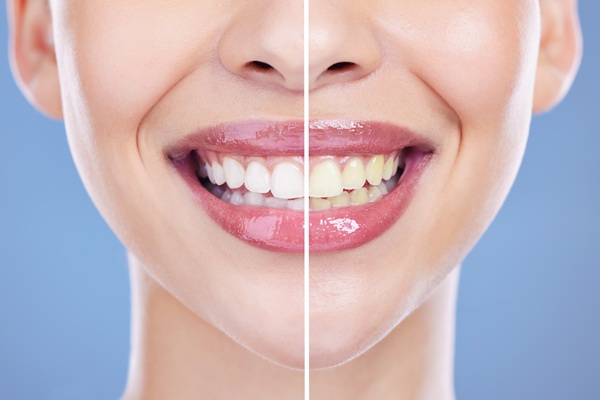
How a General Dentist Can Improve Gray Teeth

There are many ways to keep your teeth bright, white, and healthy. However, you may see unfamiliar stains or shades on your teeth, making them appear gray. Fortunately, a general dentist can evaluate gray teeth by identifying the root cause of the change.
Causes of gray teeth
It is common for teeth to change color, and it does not always indicate a serious issue. However, when a single tooth is the only one changing color, it may suggest an underlying problem, particularly if the color change occurs over a short period of time. The most common causes of a gray tooth are dental deterioration of the tissue inside the tooth or the removal of the inner tissues of the teeth during endodontic treatment (root canal therapy). Other causes include:
- Aging
- Overuse of the antibiotic tetracycline as a child
- Dental restorations (e.g., metal crowns and silver fillings)
- Severe dental or facial trauma
- Dentinogenesis imperfecta (a rare genetic condition)
In some cases, a gray tooth may indicate that it is dead or dying. If the tooth has not improved after professional treatment, the color change is likely internal, also known as necrotic pulp. This condition is where the inner chamber of the tooth 'dies,' causing the tooth to appear gray, purple, dark yellow, or almost black.
How general dentists treat gray teeth
Teeth whitening
The treatment for gray teeth depends on the root cause of the discoloration. In some cases, the general dentist may recommend teeth whitening. While many patients choose this treatment to whiten yellow or brown teeth, it can help lighten teeth that have gone gray. For example, if the discoloration is due to aging or a change in pigment, the dentist can use whitening to improve the color of the tooth.
Dental restorations
For more stubborn discoloration, other restorative treatments may be necessary. These methods include:
- Dental bonding. Bonding places tooth-colored composite resin to mask small gray areas and refine the edges of the tooth.
- Porcelain veneers. This treatment covers the front surface to change color, shape, and symmetry while preserving much of the underlying tooth.
- Dental crowns. This restoration protects the discoloration from further deterioration and decay.
The chosen restoration will depend on the color of the surrounding teeth and the severity of the restoration. The general dentist will work with the patient to achieve a natural-looking, long-lasting result.
How to protect the tooth from further discoloration
After treating the gray tooth, the patient can take steps to prevent further discoloration. For example, they can limit the consumption of staining foods, such as coffee, tea, berries, and tomato-sauce dishes. If the patient does consume these items, they can drink the beverages through a straw to limit contact with the teeth and rinse their mouth to lessen their effects. They can also avoid smoking and other tobacco use, which are significant contributors to staining and discoloration.
Chase the gray away with a dental appointment today
Restore the natural color of your smile by scheduling an appointment with Apprehensive Dental Care today. Our general dentist will work with you every step of the way to protect your tooth structure and the appearance of your teeth. Call our Jackson Heights office to learn more about how we diagnose and treat gray teeth.
Request an appointment here: https://apprehensivedentalcare.com or call Apprehensive Dental Care at (718) 210-9747 for an appointment in our Jackson Heights office.
Check out what others are saying about our dental services on Yelp: General Dentist in Jackson Heights, NY.
Recent Posts
General dentistry focuses on routine oral health care for patients of all ages. This includes oral maintenance such as cleanings and examinations, as well as general treatments and preventive care. Preventive care often gets overlooked as it relates to general dentistry, however, it plays a key role in oral health. Keep reading to learn more…
Wondering when a general dentist would recommend a bridge for their patients? A healthy mouth is one that has all its teeth. According to the American Academy of Periodontology, there are actually several negative consequences of missing some or all of your teeth. Common missing teeth problems include difficulty chewing, difficulty pronouncing certain words and…
Walking into a new dental office for the first time is the most important step you can take toward protecting your long-term oral health and confidence. However, many people feel a bit of nervous energy before a first-time appointment. This is particularly common if they have not had a dental checkup in several years. Knowing…
General dentistry happens to include restoring teeth that are in bad shape or completely missing. Of course, a restoration is meant to bring the tooth back to its original shape, form, and function. However, in some cases, this is not all the way possible, making it necessary to undergo something like a dental bridge placement.…